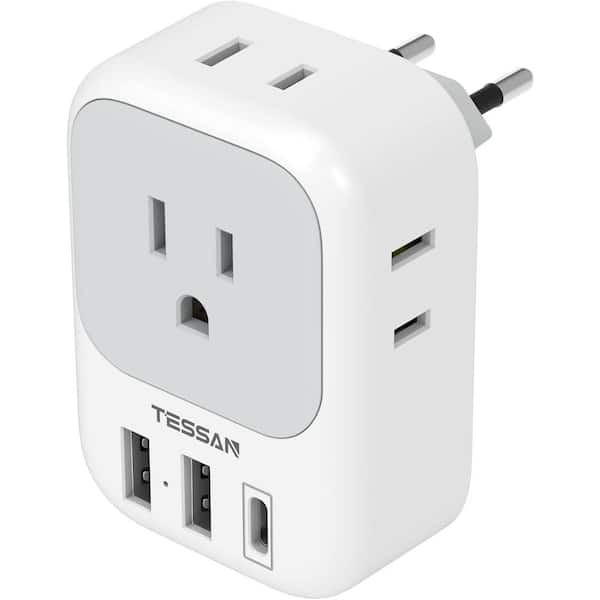
Why Adapters Are Essential for Modern Connectivity
In today's rapidly evolving technological landscape, adapters have become essential for ensuring seamless connectivity across various devices. As we transition from traditional hardware to more advanced digital solutions, the demand for compatibility grows. Adapters serve as the bridge that connects different systems, allowing users to integrate new devices without the need for extensive upgrades or replacements. For example, using a USB-C to HDMI adapter enables users to link modern laptops with older displays, enhancing multitasking and productivity.
Moreover, the versatility of adapters extends beyond mere device connectivity; they also enhance our overall experience with technology. Whether it's switching from wired to wireless connections or adapting audio inputs for various formats, these small but powerful tools are indispensable. As the world embraces smart home technology, the ability to connect devices through adapters ensures that users can take full advantage of the benefits that modern connectivity offers, such as streamlined communication and improved efficiency.
Counter-Strike is a highly popular first-person shooter game that emphasizes team-based gameplay and strategy. Players can choose to be part of either the terrorist or counter-terrorist teams, each with different objectives. For those looking to enhance their gaming experience, exploring Top 10 usb c accessories can provide great options for improving performance and gameplay efficiency. The game has evolved through various iterations, maintaining a dedicated player base and competitive scene worldwide.
The Different Types of Adapters and Their Applications
Adapters play a crucial role in enabling compatibility between various devices, ensuring seamless connectivity and functionality. The most common type is the power adapter, which transforms electrical voltage to suit specific devices. These adapters come in various forms, including wall chargers, car chargers, and USB adapters, each designed for different applications. For instance, wall chargers are primarily used for stationary devices like laptops and smartphones, while car chargers are essential for on-the-go charging needs. Other types include audio adapters, which convert audio signals from one format to another, like from a 3.5mm jack to RCA, enabling a wider range of audio device compatibility.
Another significant type is the video adapter, which allows devices with different display standards to connect. Examples include HDMI to VGA adapters, commonly used to connect modern laptops to older projectors, and DisplayPort to HDMI adapters for linking computers to high-definition displays. Additionally, network adapters facilitate internet connectivity. They can be categorized into wired adapters, like Ethernet adapters for stable connections, and wireless adapters, such as Wi-Fi dongles, which provide the flexibility of connecting without cables. Understanding these different types of adapters and their applications helps consumers make informed decisions based on their specific connectivity requirements.
How to Choose the Right Adapter for Your Device
Choosing the right adapter for your device can significantly affect its performance and longevity. To ensure compatibility and optimal functionality, start by identifying the specific requirements of your device. Check the voltage and amperage ratings, as using an incorrect adapter can lead to damage. Adapters come in various shapes and sizes, so be sure to also consider the connector type and whether it fits securely into your device's port.
Once you have the specifications, consider the brand and quality of the adapter. While generic options may be tempting due to their lower prices, they often lack the safety features and reliability of branded alternatives. Read customer reviews and ensure that the adapter is certified for safety standards. In summary, follow these steps to make an informed decision:
- Identify the voltage and amperage requirements.
- Ensure the connector type matches.
- Research reputable brands.
- Check for safety certifications.