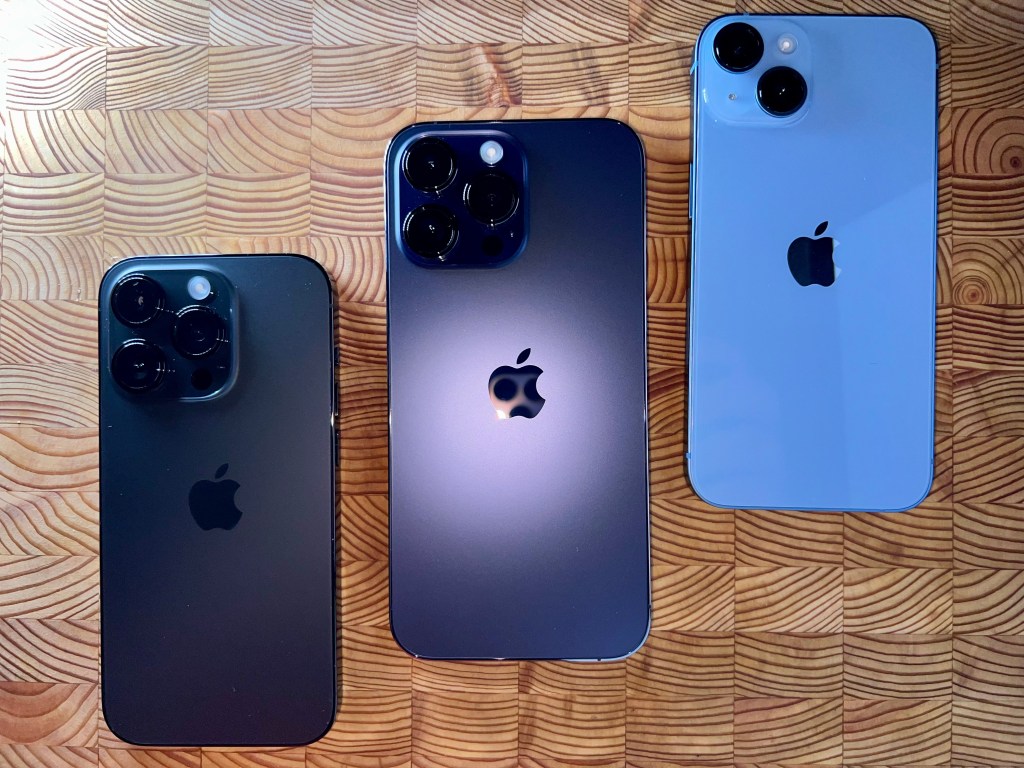
How the iPhone Revolutionized Communication: A Deep Dive
The iPhone has undeniably transformed the way we communicate, setting a new standard for mobile technology. Launched in 2007, it introduced a sleek design combined with an innovative touch interface, fundamentally changing user interactions with smartphones. Unlike its predecessors, which relied heavily on physical buttons, the iPhone's multitouch display allowed users to engage with their devices through gestures, making communication more intuitive. Features such as the App Store revolutionized mobile applications, providing users with tools for instant messaging, video calling, and social media access, all in one portable device.
Moreover, the influence of the iPhone extended beyond its hardware; it redefined the concept of a smartphone in society. The introduction of ubiquitous internet access meant that users could communicate via email, instant messaging, and social networking anytime and anywhere. With innovations like FaceTime and iMessage, the iPhone not only enhanced personal connections but also strained conventional channels like SMS and phone calls, pushing for a digital-first approach to communication. This shift has been pivotal in how businesses operate, leading to a more connected world where communication is instantaneous and global.
Counter-Strike is a highly popular multiplayer first-person shooter game that pits teams of terrorists against counter-terrorists in various objective-based missions. Players can choose various weapons and strategies, creating a thrilling experience that requires teamwork and skill. Aside from gaming, many enthusiasts enjoy exploring ergonomic setups, and you might find interest in Top 10 iphone adjustable stands to enhance your gaming or streaming setup.
Balancing Screen Time: Is Your iPhone Helping or Harming Your Life?
In today's digital age, many of us rely on our iPhones for a variety of tasks, from communication to entertainment. However, this dependence can lead to excessive screen time, which has raised concerns about its impact on our mental and physical health. Studies suggest that prolonged exposure to screens can contribute to eye strain, disrupted sleep patterns, and decreased productivity. While our iPhones offer features designed to curb screen time, such as the Screen Time tracking tool, it's essential to evaluate whether these tools effectively promote a healthier balance in our daily routines.
To determine if your iPhone is helping or harming your life, consider the following factors:
- Awareness: Are you aware of how much time you spend on your device each day?
- Usage Patterns: Are you using your iPhone for productive tasks, or is it often used for mindless scrolling and distractions?
- Physical Health: Do you experience any physical discomfort, such as neck pain or headaches, attributed to your screen time?
Reflecting on these aspects can help you make informed decisions about your technology usage, ultimately fostering a healthier, more balanced lifestyle.
The Evolution of iPhone: From Novelty to Necessity in Our Daily Routines
The evolution of the iPhone over the past decade has transformed it from a simple novelty item into an indispensable part of our daily lives. Launched in 2007, the iPhone was initially celebrated for its sleek design and touchscreen interface, making it a game-changer in the world of mobile technology. As features expanded, subsequent models introduced a plethora of capabilities such as high-quality cameras, advanced app ecosystems, and seamless integration with other devices. This shift laid the groundwork for the iPhone's transition from a luxury gadget to a fundamental tool for communication, productivity, and entertainment.
Today, the iPhone is woven into the fabric of our routines, serving not just as a means of communication but also as a multifunctional device that manages our schedules, fitness, and social interactions. According to recent studies, over 70% of people use their smartphones for more than just calling or texting, relying instead on them for tasks like online banking, navigation, and accessing social media. With features like Siri and various apps designed for personal and professional productivity, the iPhone has evolved into a necessity, reflecting a significant shift in how we engage with technology in everyday life.