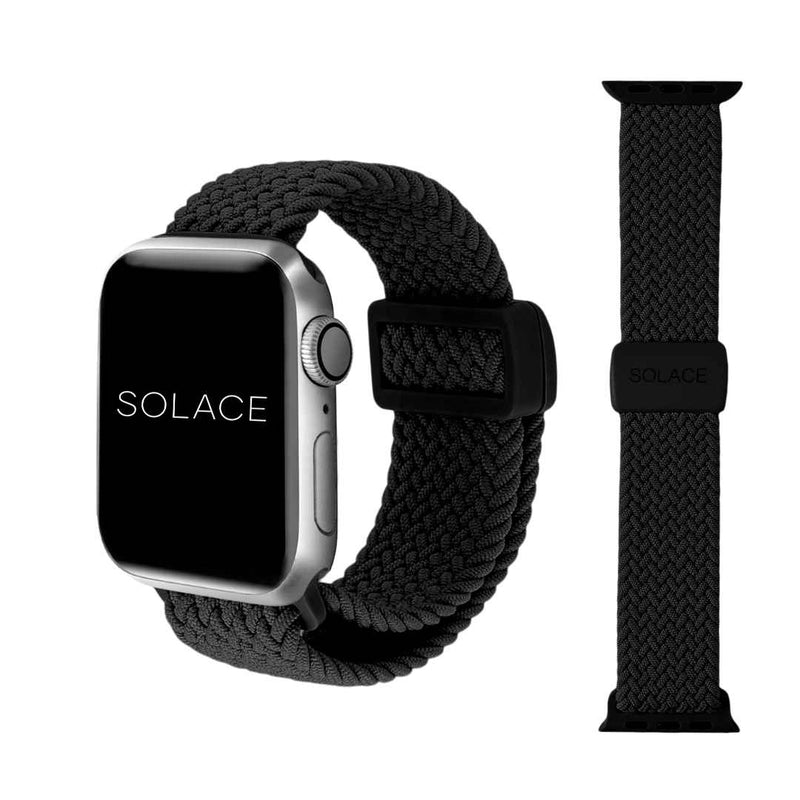
From Leather to Silicone: The Unexpected Journey of Watch Band Materials
The evolution of watch band materials has seen a remarkable transformation from traditional leather to modern silicone. For centuries, leather was the material of choice due to its durability and timeless appeal, often associated with luxury and sophistication. However, as technology and consumer preferences evolved, the demand for more versatile and practical options emerged. Today, silicone bands are gaining popularity for their lightweight, flexible, and water-resistant properties, making them ideal for both everyday wear and active lifestyles.
The shift from leather to silicone highlights a broader trend in the fashion and accessory industries, where functionality often trumps aesthetics. Silicone watch bands come in a variety of colors and designs, appealing to a younger, more dynamic audience that values personalization and comfort. Moreover, the hypoallergenic nature of silicone provides an alternative for those with sensitivities to traditional materials. As we continue to witness innovation in watch band technology, it’s clear that this journey from leather to silicone is not just about material choice, but also about redefining our relationship with timepieces in the modern age.
Counter-Strike is a highly popular first-person shooter game that has gained a massive following since its initial release in 1999. Players can choose to be part of either the terrorist team or the counter-terrorist team, engaging in tactical gameplay that emphasizes teamwork and strategy. The game has evolved over the years, with various iterations and updates, solidifying its status as a staple in competitive gaming. For those looking to enhance their gaming experience, check out the Top 10 Apple Watch Bands for Sleep to find the perfect accessory.
10 Iconic Watch Band Styles That Changed Over the Decades
Over the decades, watch bands have evolved dramatically, reflecting not only advancements in technology but also shifts in fashion trends. From the durable leather straps of the mid-20th century that were synonymous with classic elegance to the modern, colorful silicone bands popularized by smartwatches, each style has made a lasting impact. Here’s a look at 10 iconic watch band styles that have not only adorned wrists but have also defined eras in horological history:
- Leather Straps - Timeless and classic, these bands started the trend of personalizing style with functionality.
- Metal Bracelets - Popularized by brands like Rolex, these metallic beauties combined durability and luxury.
- NATO Straps - Originate from military use, known for their use of nylon and practical design.
- Rubber Bands - Gained popularity in sports watches, offering comfort and water resistance.
- Faux Leather - An ethical alternative that rose in popularity during the eco-conscious movements.
- Paracord Bands - A favorite among survivalists, these practical bands are functional in emergency situations.
- Wooden Bands - Bringing a unique aesthetic, these eco-friendly options made headlines in the artisanal watch market.
- Mesh Bracelets - The rise of minimalism showcased these elegant and breathable stainless steel bands.
- Smartwatch Bands - Innovative and customizable, these bands reflect technological advancements.
- Beaded Bands - Adding a touch of bohemian flair, these have become a trendy option for a more relaxed style.
How Watch Bands Reflect Cultural Shifts: A Look Through Time
Throughout history, watch bands have served not only as functional accessories but also as cultural artifacts that reflect the evolving values and aesthetics of society. In the early 20th century, leather bands were predominant, symbolizing a sense of sophistication and the emerging modernity of the time. As the mid-century rolled around, the introduction of metal bands echoed industrial advances and a move towards a more utilitarian design. This transformation illustrated a broader cultural shift towards mechanization and efficiency, as watches became more than mere timekeepers; they were expressions of personal identity and social status.
As we progressed into the 1980s and 1990s, the rise of plastic and rubber watch bands represented a significant break from tradition, aligning with the era's embrace of casual and playful fashion trends. Bands adorned with vibrant colors and patterns reflected the youth culture's desire for self-expression and rebellion against the established norms. Today, we see yet another evolution with smartwatches and customizable bands that cater to a diverse audience. This ongoing change highlights how watch bands continuously adapt to cultural preferences, encapsulating the spirit of the times while shaping and reflecting our collective identity.