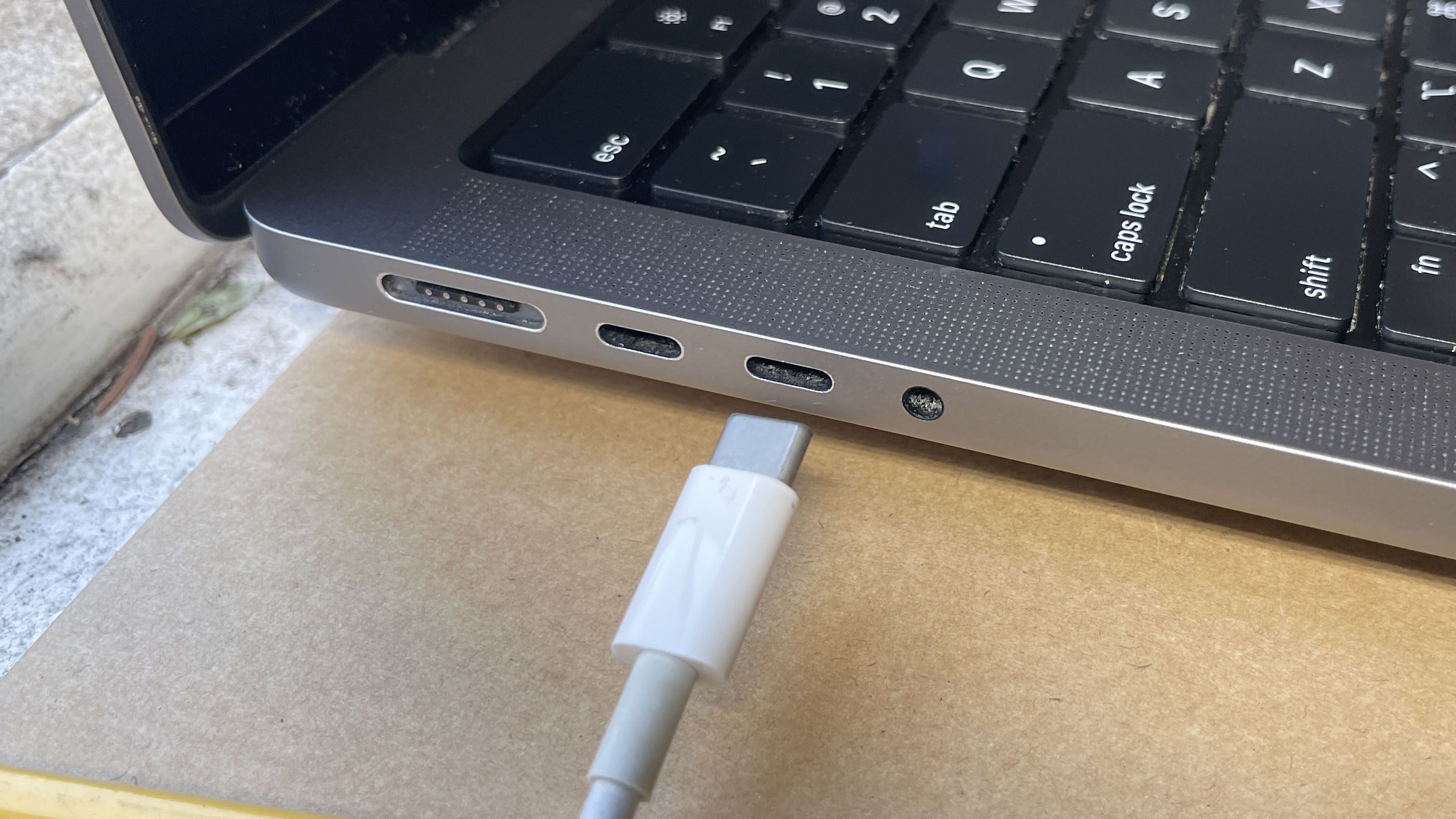
The Ultimate Guide to USB-C: Why You Can't Live Without It
In today's tech-driven world, the USB-C connector has emerged as a revolutionary standard for data transfer and charging. Unlike its predecessors, USB-C is designed to be universal, allowing a single cable to handle multiple functions across a range of devices such as laptops, smartphones, and tablets. This versatility is further enhanced by its ability to deliver power, transfer data at lightning speeds, and support audio and video output—all through the same connection. With the increasing number of devices adopting this format, it’s clear that USB-C is not just a trend; it’s a necessity for anyone looking to simplify their tech life.
One of the standout features of USB-C is its reversible design, which eliminates the frustration of plugging in devices incorrectly. Additionally, the format supports fast charging capabilities, meaning you can power up your devices in a fraction of the time compared to older USB versions. As we move towards a more connected future with the Internet of Things (IoT) and smart home devices, embracing the USB-C standard not only future-proofs your tech but also streamlines your charging solutions. Consider upgrading your cables today; you might just find that you can't live without this indispensable technology.
Counter-Strike is a popular first-person shooter game that has captivated gamers since its release. Players engage in team-based combat, with the primary objective of completing missions or eliminating the opposing team. The game has evolved through various versions, with Counter-Strike: Global Offensive (CS:GO) being the most recent iteration, offering competitive gameplay and a vibrant esports scene. For those interested in enhancing their gaming experience, check out the Top 10 Fast Chargers for Android Devices to ensure your devices are always powered up during intense gaming sessions.
Is USB-C the Future of Connectivity? Discover Its Modern Necessities
In today's rapidly evolving digital landscape, USB-C emerges as a frontrunner in connectivity solutions. With its reversible design and ability to transfer both data and power swiftly, it simplifies the user experience across various devices. USB-C not only supports high-speed data transfer rates of up to 10 Gbps but also accommodates powers of up to 100 watts, making it ideal for charging laptops, smartphones, and even peripherals such as monitors and docks. As the demand for streamlined and multifunctional technology grows, USB-C is starting to replace older standards like USB-A and Micro USB, paving the way for a more unified charging and connectivity experience.
Moreover, the versatility of USB-C makes it a critical necessity for modern devices. Many manufacturers are now adopting this standard as the go-to port for their latest products. From Android smartphones to the newest MacBook models, the trend is clear: USB-C is becoming ubiquitous. This shift not only enhances convenience but also promotes sustainability by reducing electronic waste associated with multiple cables and adapters. As we move forward into the future of connectivity, it becomes increasingly evident that USB-C is not just a passing trend; it is an essential component of our technological ecosystem.
How USB-C Simplifies Your Tech Life: A Deep Dive into Its Benefits
The advent of USB-C technology has transformed the way we interact with our devices, providing a universal standard that eliminates the need for multiple cables. With its reversible design, users no longer have to worry about which way to plug in their cords, streamlining the process of charging and data transfer. This has also led to significant space-saving benefits, as one USB-C cable can substitute for various connectors. For instance, it can be used for smartphones, laptops, and even gaming consoles, reducing cable clutter and enhancing portability.
In addition to its versatility, USB-C offers enhanced performance capabilities that further simplify tech life. With support for faster data transfer speeds and higher power delivery, users can charge their devices quickly and efficiently. For example, laptops that support USB-C can often achieve charging speeds that allow for hours of use in just a few minutes. Moreover, USB-C's ability to transmit audio and video signals means that you can connect your devices to monitors or TVs without needing separate cables, making your tech setup more efficient and user-friendly.