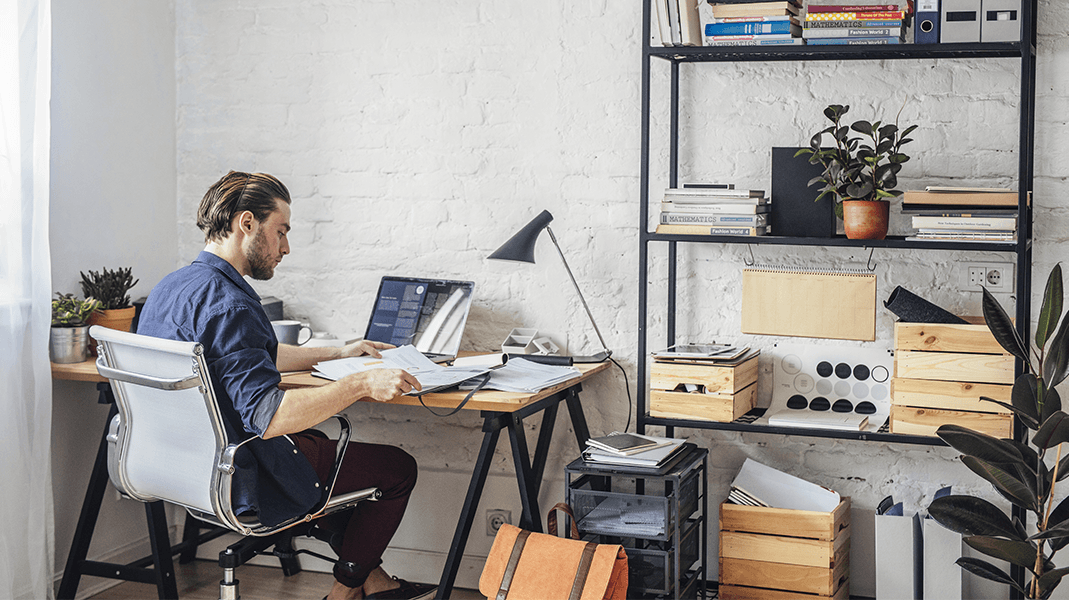
5 Essential Tips for Creating a Productive Home Office
Creating a productive home office is crucial for maintaining focus and efficiency, especially in today's remote work environment. Here are 5 essential tips to help you design a workspace that maximizes your productivity:
- Select an appropriate location: Choose a quiet and comfortable space in your home that is free from distractions.
- Invest in ergonomic furniture: A well-designed chair and desk can reduce strain and improve your posture, enhancing your work experience.
- Minimize clutter: Keep your workspace organized by regularly decluttering your desk and utilizing storage solutions.
- Incorporate natural light: Position your desk near a window or use sufficient lighting to create a bright and inviting atmosphere.
- Set clear boundaries: Establish a work schedule and communicate it to family or roommates to minimize interruptions during your work hours.
By following these tips, you can transform your home office into a productive haven that fosters creativity and efficiency. Remember that your workspace should reflect your personal style while meeting your professional needs. Regularly reassess your environment and make adjustments to stay aligned with your productivity goals.
Counter-Strike is a highly competitive first-person shooter that has become a staple in the gaming community. Its strategic gameplay and team-oriented mechanics have made it popular among players worldwide. If you're looking to enhance your gaming experience, check out the Top 10 Desk Setup Essentials to create the perfect environment for gaming.
How to Incorporate Biophilic Design in Your Workspace
Biophilic design is an innovative approach that seeks to create a connection between people and nature, and incorporating it into your workspace can greatly enhance productivity and well-being. Start by bringing natural elements into your office environment. This can be as simple as adding indoor plants, which not only improve air quality but also boost mood and creativity. Consider creating a small indoor garden or using plant walls to maximize green space. Additionally, utilizing natural light is essential; try to position workspaces near windows or use skylights to invite sunlight into the office.
Another effective way to incorporate biophilic design is through the use of natural materials and colors. Opt for furnishings made from wood, stone, or other organic materials that evoke a sense of the outdoors. Paint your walls in earthy tones or even consider implementing a nature-inspired theme that reflects the local landscape. Furthermore, you can enhance the sensory experience by adding textures such as rough wood, soft fabrics, and natural fibers. This not only creates an aesthetically pleasing environment but also fosters greater engagement among employees, ultimately leading to a more harmonious and productive workspace.
What are the Best Colors for Enhancing Focus in Your Office?
When it comes to creating an environment that enhances focus in your office, the choice of color can be a game changer. Studies have shown that specific colors can influence mood and productivity. For instance, shades of blue are often associated with calmness and stability, making them ideal for tasks that require deep concentration. Similarly, green, reminiscent of nature, is known to reduce fatigue and enhance focus over longer periods. To optimize your workspace, consider incorporating both blue and green elements through your office decor, such as wall colors, furniture, or artwork.
Alongside blue and green, other colors can also potentially boost your focus. Yellow, often representing optimism and energy, can stimulate creativity, while orange can create an inviting atmosphere that promotes collaboration. However, it's essential to use these colors in moderation to prevent overstimulation. A balanced approach, combining calming and stimulating colors, can lead to a more productive workspace.
Overall, the best colors for enhancing focus in your office depend on the nature of your work and your personal preferences. Experiment with different hues to find the optimal color palette that keeps you alert and sharp during work hours.