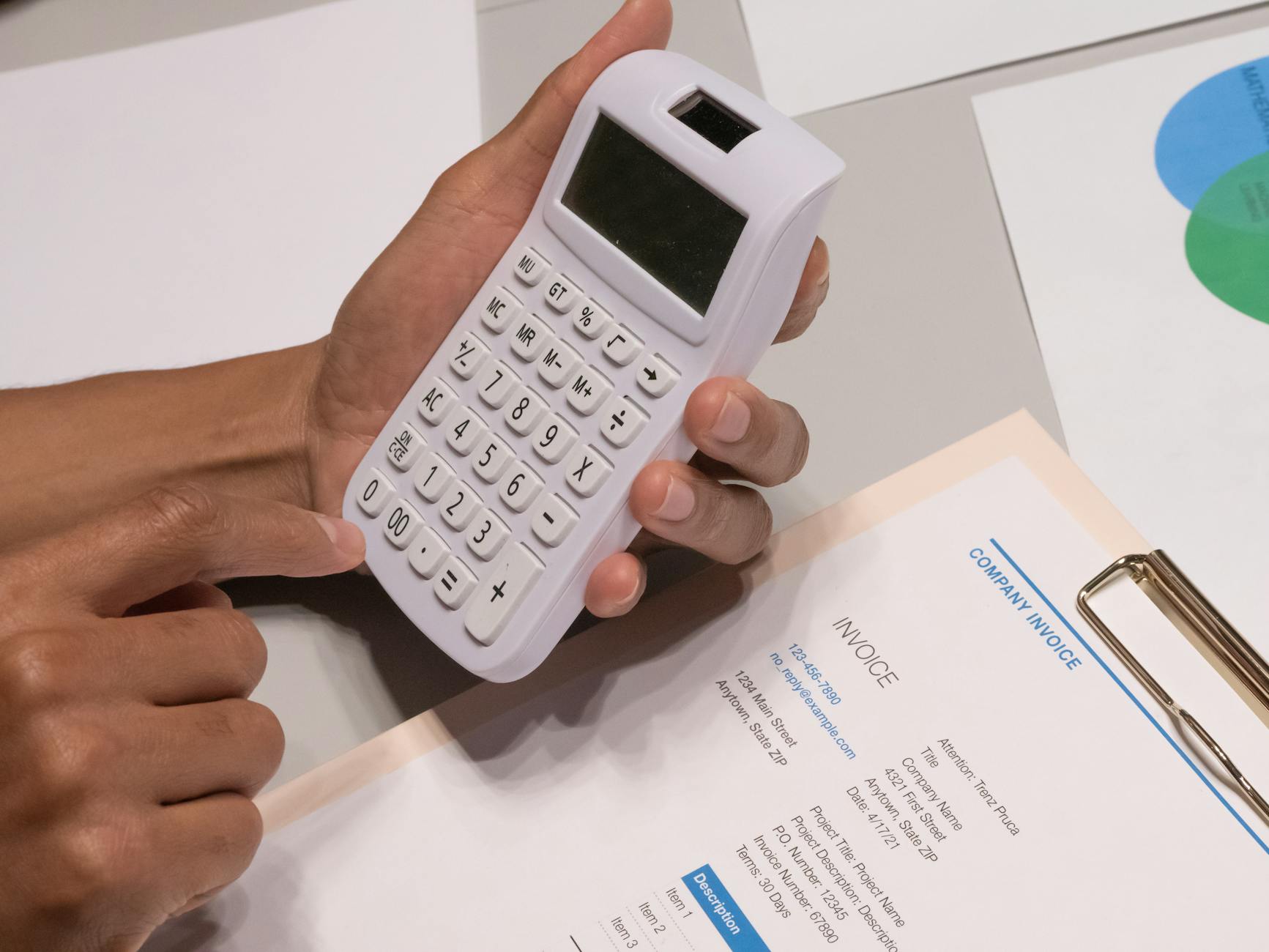
Navigating E-Invoicing: Essential Compliance Insights for Every Industry
The landscape of e-invoicing is transforming rapidly, moving from an optional convenience to a global compliance imperative across virtually every industry. Understanding this shift is paramount for businesses aiming to maintain operational efficiency and avoid significant penalties. Governments worldwide are increasingly mandating e-invoicing, driven by desires to curb tax fraud, enhance transparency, and streamline administrative processes. This means that merely sending a PDF invoice via email is often no longer sufficient; instead, businesses must adopt structured electronic formats (like UBL or CII) that can be validated and transmitted through specific governmental or certified platforms. Ignoring these evolving regulations can lead to substantial fines, delayed payments, and even the inability to conduct business in certain jurisdictions. Therefore, a proactive approach to understanding and implementing e-invoicing solutions is not just good practice, but a critical business necessity.
For businesses operating across diverse sectors, navigating the nuances of e-invoicing compliance can be particularly challenging. Each country, and sometimes even specific industries within a country, may have unique requirements concerning data fields, transmission protocols, and archiving rules. For instance, some regions might demand real-time reporting of invoices to tax authorities upon issuance, while others require a post-transaction submission. Key considerations for multi-industry and multi-national entities include:
- Interoperability: Ensuring your e-invoicing solution can integrate with various platforms and formats.
- Data Security: Protecting sensitive financial information during transmission and storage.
- Audit Trails: Maintaining comprehensive records for compliance verification.
- Scalability: Adapting to new regulations and increased transaction volumes.
E-invoicing industries are rapidly expanding as businesses increasingly adopt digital solutions for their financial operations. The move towards electronic invoicing is driven by the need for greater efficiency, cost reduction, and compliance with evolving regulatory frameworks. This shift impacts a wide range of sectors, from retail and manufacturing to services and public administration, all seeking to streamline their billing processes and improve cash flow management. E-invoicing industries are seeing significant growth in demand for platforms and services that facilitate secure and automated invoice processing.
Beyond the Basics: Practical E-Invoicing Implementation & FAQs
Transitioning to e-invoicing goes beyond simply adopting new software; it's a strategic shift that requires careful planning and execution. To ensure a smooth implementation, consider these key practical steps. Firstly, conduct a thorough vendor assessment, evaluating providers not just on price, but also their integration capabilities with your existing ERP or accounting systems, their security protocols, and their support for various e-invoicing standards (e.g., Peppol, UBL). Secondly, dedicate resources to internal training, ensuring all relevant departments – accounts payable, accounts receivable, procurement – understand the new workflows, compliance requirements, and troubleshooting procedures. Finally, don't overlook a phased rollout approach, perhaps starting with a smaller segment of your invoices or a specific geographic region, allowing for iterative improvements before full deployment. This methodical approach minimizes disruption and maximizes the benefits of your e-invoicing investment.
As you delve deeper into e-invoicing, a common set of questions often arises. Here are answers to some frequently asked questions that move beyond the initial setup.
"What about non-compliant suppliers?" is a valid concern. For these vendors, many e-invoicing solutions offer a supplier portal where they can manually upload invoices, or you might need to establish an interim process for a limited time while encouraging their adoption. Another common query is, "How do we handle international e-invoicing regulations?" This often requires a solution that supports multiple regional standards and tax compliance rules, or working with a global service provider. Finally, "What are the ongoing maintenance requirements?" Typically, this involves regular monitoring of integration health, staying updated on evolving legal requirements, and periodic review of your internal processes to ensure continued efficiency and compliance. Proactive management of these aspects is crucial for long-term success.