Understanding Crypto Betting & Finding Your Winning Edge: From Basics to Smart Strategies (What is it? How does it work? Where do I start? Is it even legal?)
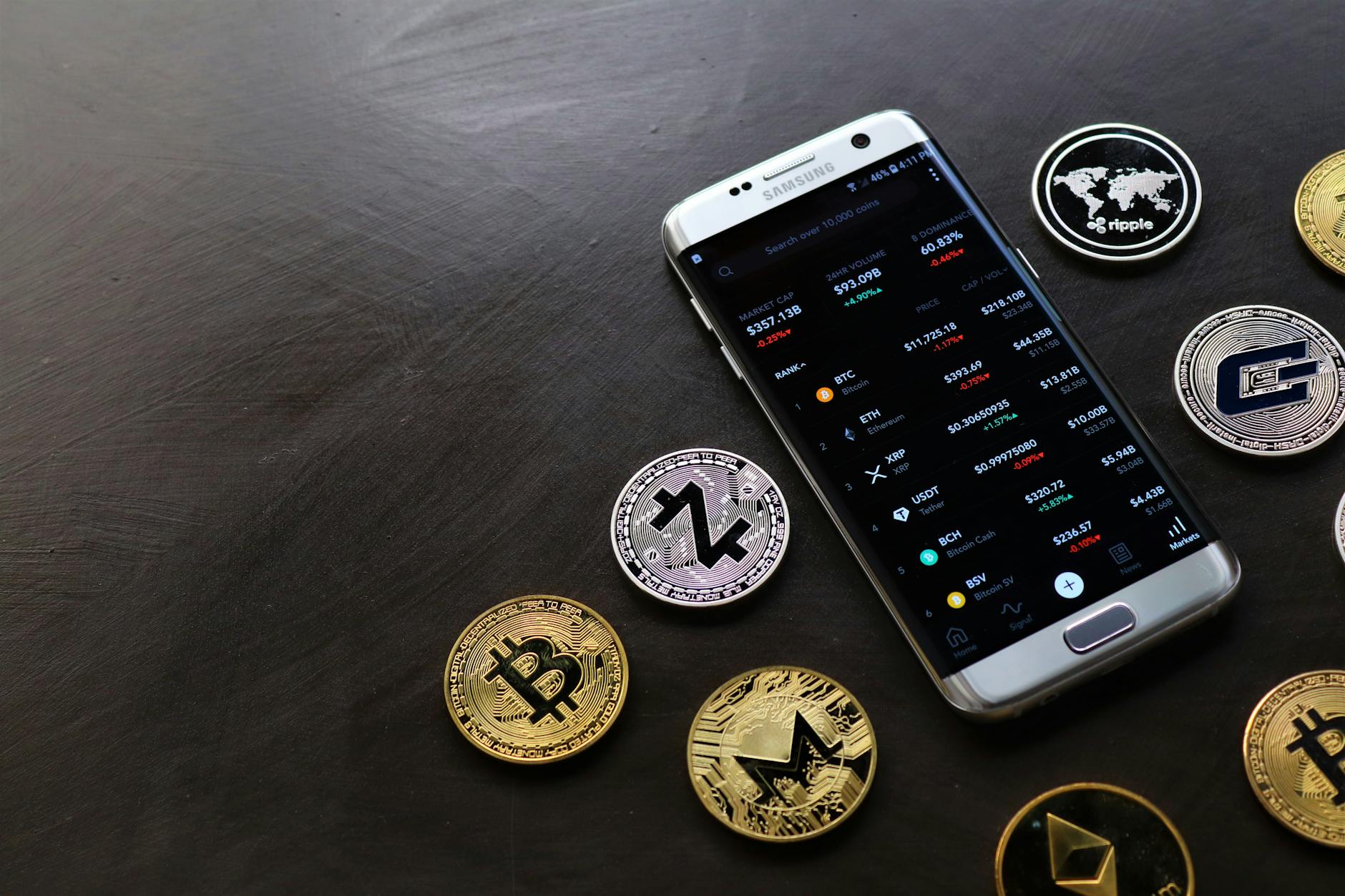
Crypto betting, at its core, involves wagering cryptocurrencies on various outcomes, mirroring traditional online gambling but with the added benefits of blockchain technology. Instead of fiat currencies, you'll be using Bitcoin, Ethereum, or other altcoins to place bets on sports, casino games, or even eSports. The underlying principle is simple: predict the correct outcome, and you win cryptos; get it wrong, and you lose your wager. But how does it work seamlessly? Transactions are processed on the blockchain, offering a level of transparency and immutability often absent from conventional platforms. This means every bet and payout is a verifiable record, enhancing trust and security for users. Furthermore, crypto betting often boasts faster withdrawals and lower fees due to the decentralized nature of cryptocurrencies, making it an attractive alternative for many.
Embarking on your crypto betting journey requires a few fundamental steps. First, you'll need to acquire some cryptocurrency. This typically involves setting up an account on a reputable exchange like Coinbase or Binance and purchasing your preferred coin. Next, you'll need to choose a reliable crypto betting platform. When selecting a site, prioritize those with strong security measures, a wide range of betting options, and positive user reviews. Consider factors like their licensing (a crucial point for legality – many jurisdictions *do* permit crypto betting, but regulations vary significantly worldwide, so always check your local laws), customer support, and the variety of games or sports offered. Once registered, simply deposit your chosen crypto into your account and you're ready to place a bet. Remember to always gamble responsibly and only wager what you can afford to lose.
The rise of cryptocurrencies has opened up new avenues for sports enthusiasts looking to bet on world cup with crypto. This innovative approach offers enhanced privacy, lower transaction fees, and quicker payouts compared to traditional betting methods. As the World Cup approaches, expect to see more platforms catering to this growing demand, allowing fans to use their digital assets to back their favorite teams.
Practical Steps to Placing Your Crypto World Cup Bets: Navigating Platforms, Managing Risk & Answering Your FAQs (How do I actually do this? Which platforms are best? How much should I bet? What about taxes?)
So, you're ready to dive into the excitement of crypto World Cup betting? Excellent! The practical steps begin with choosing the right platform. While there isn't a single 'best' option, reputable decentralized betting exchanges like Polymarket or even traditional sportsbooks increasingly accepting crypto – think Stake.com (though check local regulations) – are good starting points. Focus on platforms with strong security, clear liquidity, and a user-friendly interface. Research their supported cryptocurrencies (often ETH, MATIC, USDC), fee structures, and withdrawal processes. You'll typically need a Web3 wallet (like MetaMask) funded with the relevant crypto. Remember to always start small and familiarize yourself with the platform's mechanics before placing significant bets.
Beyond platform selection, effective risk management is paramount. A common question is, "How much should I bet?" The golden rule is to never bet more than you can comfortably afford to lose. A good strategy is to allocate a small, fixed percentage of your total crypto portfolio specifically for speculative activities like betting – perhaps 1-5%. Regarding taxes, this is where things get a bit more complex. Just like traditional gambling winnings, crypto betting profits are generally subject to capital gains tax in most jurisdictions. It's crucial to keep meticulous records of all your bets, wins, and losses, including the fiat equivalent value at the time of the transaction. For definitive guidance, always consult with a qualified tax professional in your specific country of residence to understand your obligations fully.