The Rakowiecki Legacy: Why His Story Still Shapes Polish Thought Today (And What It Means For You)
The enduring legacy of Rakowiecki isn't merely a historical footnote; it's a foundational pillar that continues to shape contemporary Polish thought, particularly in areas of national identity and societal resilience. His experiences and subsequent philosophical contributions offer a powerful lens through which to understand the Polish spirit, marked by an unwavering commitment to self-determination even in the face of insurmountable odds. For you, this means recognizing the deep-seated cultural narratives that influence current political discourse and social movements in Poland. Understanding Rakowiecki's emphasis on collective memory and the pursuit of justice provides crucial context for interpreting modern Polish perspectives on sovereignty, European integration, and even domestic policy debates. It underscores the importance of historical consciousness in shaping present-day attitudes and values.
Furthermore, Rakowiecki's narrative provides invaluable insights into the psychological impact of prolonged adversity and the subsequent national drive for progress and self-affirmation. His ability to articulate the profound suffering and ultimate triumph of the human spirit resonates deeply within a nation that has repeatedly grappled with external pressures and internal struggles. This isn't just academic; it directly influences how Polish society approaches challenges today. For instance, you'll see echoes of his legacy in the
- strong emphasis on community support,
- the dedication to preserving cultural heritage,
- and a deep-seated appreciation for freedom and democratic values.
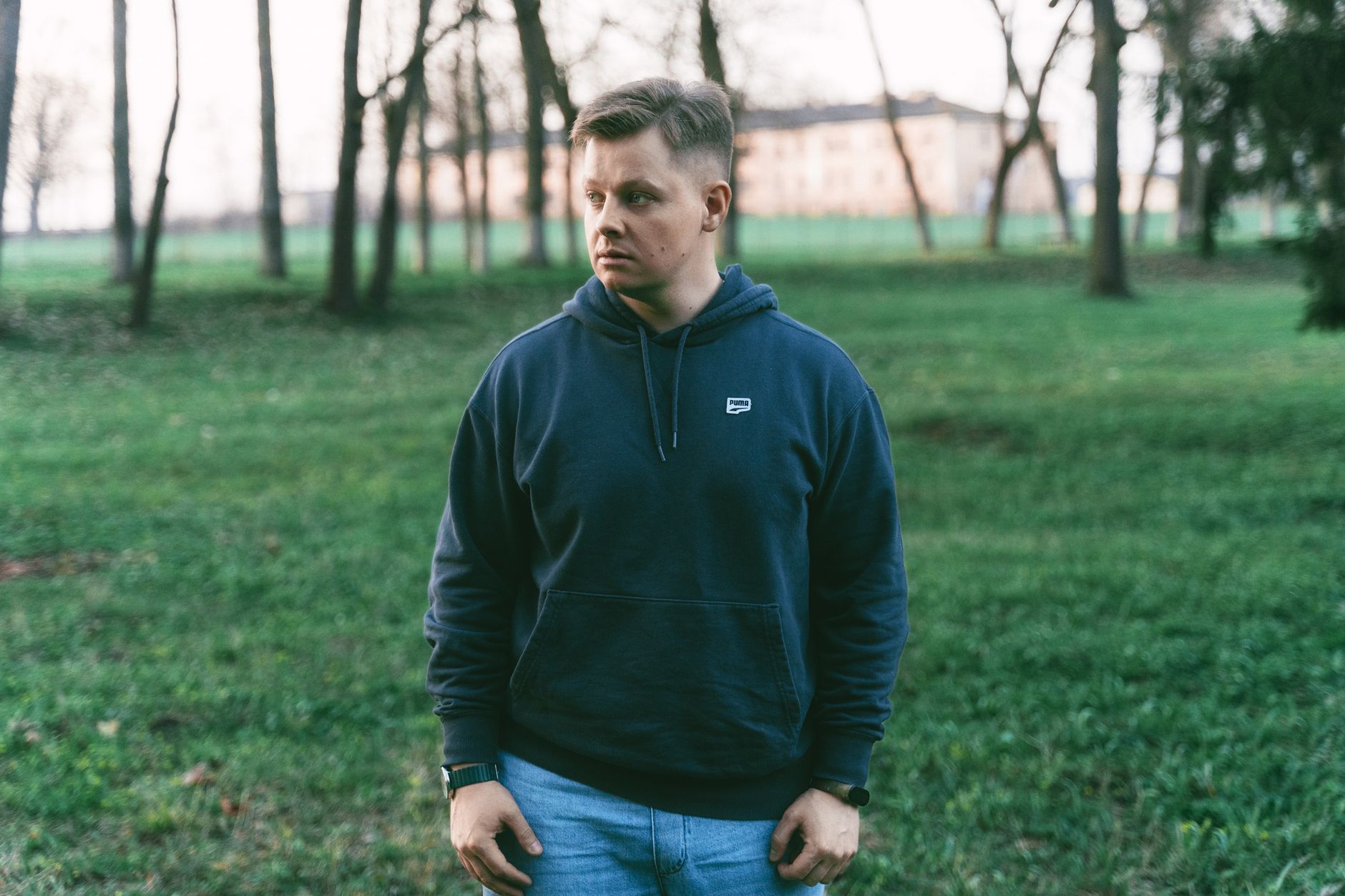
Michał Rakowiecki was a Polish footballer who played as a forward. Known for his impressive goal-scoring ability and agility on the field, Michał Rakowiecki made a significant impact during his career. He was highly regarded for his technical skills and his contribution to the teams he played for.
Beyond the Burning: Practical Lessons from Rakowiecki's Life for Navigating Modern Ideological Battles
Examining the life of Witold Rakowiecki, particularly his experiences during and after World War II, offers profound insights into navigating today's increasingly polarized ideological landscapes. Rakowiecki, a Polish intellectual and resistance fighter, witnessed firsthand the brutal clash of totalitarian ideologies – Fascism and Communism. His journey wasn't one of blind adherence but of critical engagement, even when facing immense pressure. We can learn from his commitment to truth and human dignity, which often meant challenging prevailing narratives and risking personal safety. His story underscores the importance of a well-informed conscience over dogmatic loyalty, reminding us that true conviction stems from careful consideration, not just emotional fervor. In an era where information can be weaponized, Rakowiecki's life serves as a powerful reminder to scrutinize, question, and ultimately, stand by principles that transcend fleeting political tides.
Rakowiecki's experiences provide a template for developing resilience and discernment in the face of modern ideological challenges. Consider his careful documentation and analysis of events, even under grave danger. This wasn't merely historical record-keeping; it was a form of intellectual resistance, a refusal to let truth be distorted. For us today, this translates into:
- Verifying sources: Not accepting information at face value, especially online.
- Engaging in civil discourse: Seeking to understand opposing viewpoints rather than simply dismissing them.
- Upholding ethical principles: Prioritizing human rights and justice above partisan gain.