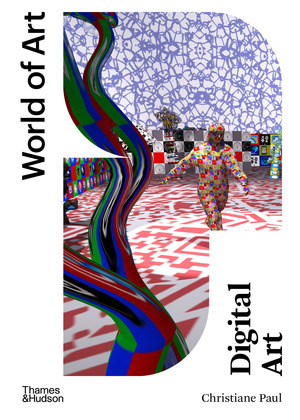
The Evolution of Digital Art: Breaking Traditional Boundaries
The evolution of digital art has transformed the way artists create, share, and interact with their work. Over the past few decades, we have witnessed a remarkable shift from traditional forms of artistic expression, such as painting and sculpture, to dynamic digital platforms that challenge conventional boundaries. This progression has been fueled by advancements in technology, enabling artists to explore new mediums and techniques. From graphic design software to digital painting tools, the possibilities for creative exploration are virtually limitless, allowing both established and emerging artists to redefine their practices in unprecedented ways.
Furthermore, the rise of social media and digital galleries has made it easier for artists to reach global audiences and collaborate with their peers. Online platforms have democratized the art world, breaking down barriers that once limited access to traditional galleries and art institutions. This newfound visibility has not only contributed to the growth of digital art as a legitimate form of expression but has also catalyzed conversations about the value and significance of art in the digital age. As we continue to embrace technological innovations, the future of digital art promises to push the envelope even further, encouraging a vibrant interplay between art and technology.
Counter-Strike is a highly popular team-based first-person shooter game that emphasizes strategy, teamwork, and reflexes. Since its initial release, it has evolved through various versions, captivating millions of players worldwide. Competitive gaming is a significant part of the Counter-Strike community, with tournaments showcasing some of the best teams and players. Additionally, for those looking to enhance their gaming experience, consider checking out these Top 10 tech accessories for creators.
Exploring the Impact of Digital Tools on Artistic Expression
The emergence of digital tools has significantly transformed the landscape of artistic expression. Artists today have access to a plethora of software and applications that allow them to create, edit, and share their work in unprecedented ways. These tools not only enhance creativity but also democratize the art-making process, making it more accessible to a broader audience. For instance, platforms like Adobe Creative Cloud and Procreate enable artists to experiment with various styles and techniques, pushing the boundaries of traditional art forms. Additionally, online communities and social media can amplify an artist's reach, allowing them to connect with like-minded individuals and gain valuable feedback.
Moreover, the integration of digital tools into artistic practices invites discussions about authenticity and the definition of art itself. As artists navigate these technological advancements, some argue that digital mediums may dilute the essence of traditional art forms, while others celebrate the innovations they bring. The ability to manipulate images, incorporate new materials, and collaborate across distances challenges conventional notions of authorship and originality. Ultimately, exploring the impact of digital tools on artistic expression reveals a dynamic interplay between technology and creativity, encouraging artists to continuously evolve and redefine their craft.
Can Digital Art Replace Traditional Mediums? A Deep Dive into Modern Artistry
The debate over whether digital art can replace traditional mediums has intensified with the rapid evolution of technology. Digital art offers a plethora of tools and techniques that can mimic traditional styles, such as oil painting or watercolor, while also introducing innovative methods that challenge conventional artistic boundaries. For instance, artists can create stunning visuals with software that allows for undoing mistakes, layering, and blending colors in ways that are not possible with physical materials. However, many artists and collectors argue that the tactile experience and unique qualities of traditional mediums—like the texture of canvas or the smell of paint—offer an emotional resonance that digital art often lacks.
Moreover, the accessibility of digital art enables a broader range of artists to express their creativity. With just a computer and a drawing tablet, aspiring artists can learn and experiment without the high cost of traditional materials. This democratization of art may lead to a more diverse art community, where innovative ideas can flourish. Nonetheless, traditional mediums still hold a strong place in the art world, often commanding higher prices and deeper appreciation in galleries. Ultimately, rather than viewing digital art and traditional mediums as competitive forces, it may be more fruitful to see them as complementary, each bringing unique strengths to the ever-evolving landscape of modern artistry.