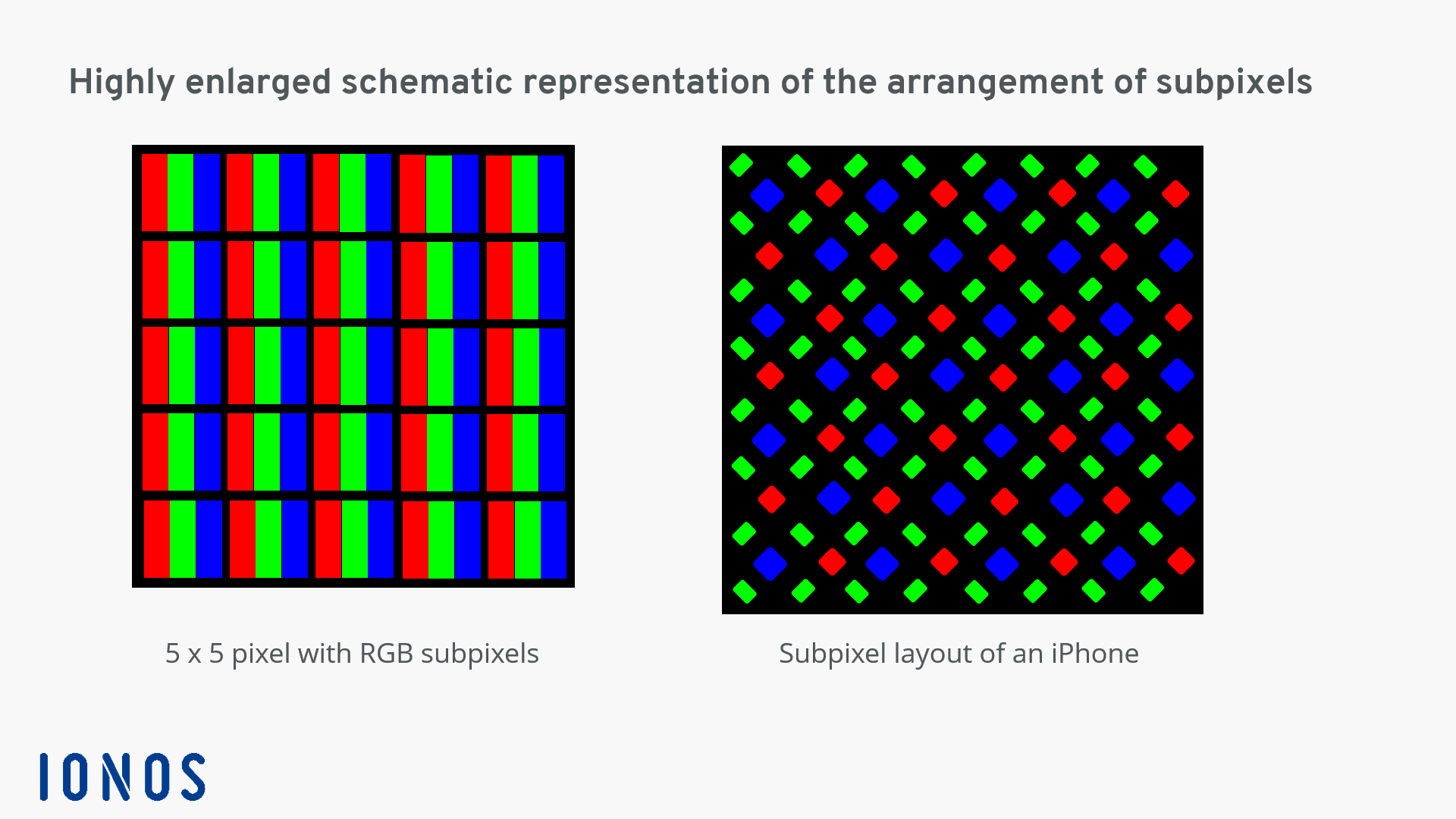
The Art of Pixelation: Unpacking the Stories Behind Every Dot
The art of pixelation transcends mere image manipulation; it is a fascinating interplay of technology and creativity that transforms images into a mosaic of colored squares. Each pixel serves as a tiny brushstroke, contributing to an overall picture that tells a story. While pixelation is often associated with privacy and censorship, it also plays a significant role in artistic expression. Artists like Chuck Close have utilized pixel techniques to create stunning portraits that challenge our perception of detail and abstraction, inviting viewers to explore beyond the surface.
Furthermore, pixelation is not limited to the realm of art; it has found its way into various industries, including gaming, graphic design, and even marketing. The choice of pixelation can evoke nostalgia, recalling the 8-bit graphics of early video games, or it can serve a practical purpose in digital branding by simplifying visuals for better recognition. This diverse application of pixelation emphasizes its versatility in storytelling. As we continue to explore the stories behind every dot, we uncover the profound connection between the simplicity of pixels and the complexity of human expression.
Counter-Strike is a popular first-person shooter game that has become a staple in the esports community. Players compete in teams to complete objectives or eliminate the opposing team, showcasing tactical gameplay and precision. For those looking to enhance their gaming experience, check out the Top 10 Wireless Chargers for Pixel Devices to keep your devices powered during intense gaming sessions.
How Pixelated Images Transform Our Digital Experience
The rise of digital media has led to an increased dependency on images for communication and storytelling. However, when images become pixelated, they can significantly alter our perception and interaction with digital content. Pixelated images may evoke nostalgia, reminding us of the early days of digital art and gaming, where limitations in resolution defined artistic style. This transformation can impact consumer sentiments, encouraging a sense of authenticity and retro charm that resonates with many users, particularly in marketing and branding strategies.
Furthermore, pixelation can serve functional roles in content creation, such as protecting sensitive information or providing a unique aesthetic. For instance, in design, pixelated graphics can convey a sense of playfulness or simplicity, often utilized in modern web design to create engaging visual experiences. As we continue to navigate an increasingly image-saturated digital landscape, understanding the implications of pixelated visuals can enhance our ability to leverage them effectively, transforming our overall digital experience.
5 Fascinating Facts About Pixel Art That You Didn't Know
Pixel art is not just a retro aesthetic; it has a rich history that dates back to the early days of video gaming in the 1970s. Many people are unaware that this distinct art form was born out of technological limitations. Early hardware could only display a limited number of pixels, which forced artists to be incredibly creative with their designs. This constraint actually spurred the growth of a unique visual language that is still celebrated today. Did you know that iconic titles like 'Pac-Man' and 'Super Mario Bros.' made pixel art synonymous with the gaming experience? These games not only captivated audiences but also established a movement that influenced layers of art and design far beyond gaming.
Another fascinating aspect of pixel art is its resurgence in modern digital culture. In recent years, the rise of indie games has led to a revival of pixel art, blending nostalgia with contemporary creativity. Developers like ConcernedApe, creator of 'Stardew Valley', have shown how pixel art can still tell compelling stories while offering vibrant and appealing aesthetics. Additionally, this art form has crossed into the realms of fashion, merchandise, and tattoos, proving that pixel art is a timeless style that appeals to various generations. The community around pixel art continues to thrive, with forums and social media platforms dedicated to sharing techniques and celebrating innovations in this beloved genre.