5 Simple Steps to Turn Your Digital Sketches into Stunning Artwork
Transforming your digital sketches into stunning artwork can be a fulfilling endeavor. By following these 5 simple steps, you can enhance your skills and elevate your creations. First, ensure you choose the right software that meets your needs. Tools like Adobe Photoshop, Procreate, or Clip Studio Paint can provide a plethora of options for digital artists. Once you've selected your platform, organize your sketches into layers to work on details without losing your original vision.
Next, focus on color harmony. Utilize a color wheel to select complementary and contrasting colors that will bring your artwork to life. Experiment with different palettes to see how they impact the mood of your piece. Step three involves refining your lines and shapes. Use tools to smooth out your sketches and add depth through shading and highlights. In step four, don’t forget the power of texture; adding textures can make your digital artwork more dynamic. Finally, solicit feedback from peers or online communities to gain insights and refine your work further. With these steps, your digital sketches will transform into captivating artwork that stands out.
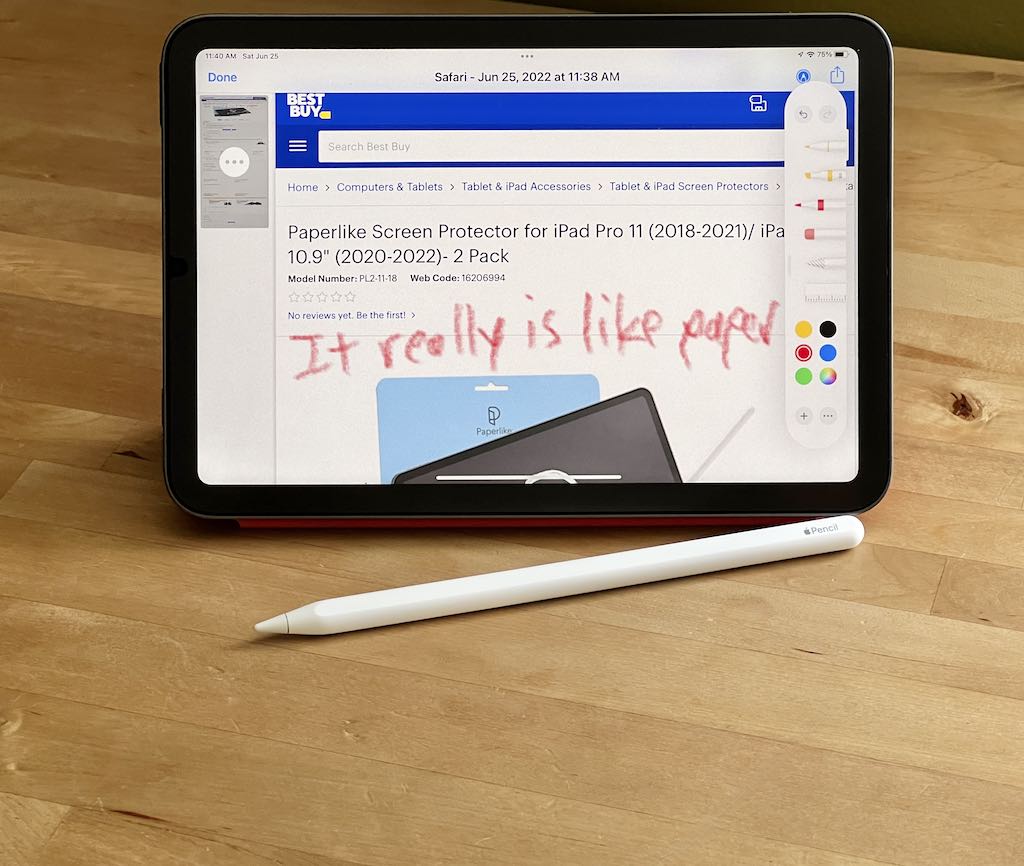
Counter-Strike is a highly popular multiplayer first-person shooter game that has shaped the esports landscape since its release. Players divide into two teams, terrorists and counter-terrorists, to complete objectives such as planting bombs or rescuing hostages. To enhance your gaming setup, you might consider using Top 10 paperlike screen protectors for better screen interaction and visibility during intense matches. The game's competitive nature and strategic depth have made it a staple in the gaming community.
The Benefits of Using Digital Tools for Traditional Art Techniques
The integration of digital tools into traditional art techniques provides artists with an array of benefits that enhance creativity and improve efficiency. One of the primary advantages is the ability to experiment without the fear of making irreversible mistakes. With software like Adobe Photoshop or Procreate, artists can create multiple layers, utilize undo functions, and apply various filters to their work. This flexibility allows artists to explore new ideas and refine their techniques in a way that was much more challenging in the traditional medium alone.
Moreover, digital tools enable artists to share their creations more broadly and rapidly. Social media platforms and digital galleries allow for instant feedback from audiences, which can be invaluable for artistic growth. By combining traditional techniques with digital tools, artists can also reach wider audiences through digital prints and merchandise, adding an additional revenue stream. Additionally, with accessible educational resources online, artists can continuously learn and improve their skills, merging the best of both worlds to create stunning artworks that honor traditional practices while embracing modern technology.
What Materials Do You Need to Print Your Digital Art?
Creating high-quality prints of your digital art requires careful consideration of various materials. The most essential materials include:
- Printer: A high-resolution inkjet or dye-sublimation printer is ideal for vivid colors and detail.
- Ink: Use archival-quality inks that will provide longevity and resist fading.
- Paper: Choose the right type of paper, such as fine art paper or photo paper, depending on the finish and texture you desire for your print.
In addition to the primary materials, you'll also need a few helpful tools to ensure your printing process runs smoothly. Consider investing in:
- Calibration Tools: Devices that help you achieve color accuracy on your monitor and printer.
- Cutting Tools: A paper cutter or guillotine can help you achieve clean edges for your prints.
- Protective Sleeves: To safeguard your prints, use acid-free envelopes or sleeves that will preserve their quality over time.