The Science Behind Magnetic Attractions: Unveiling the Forces That Draw Us In
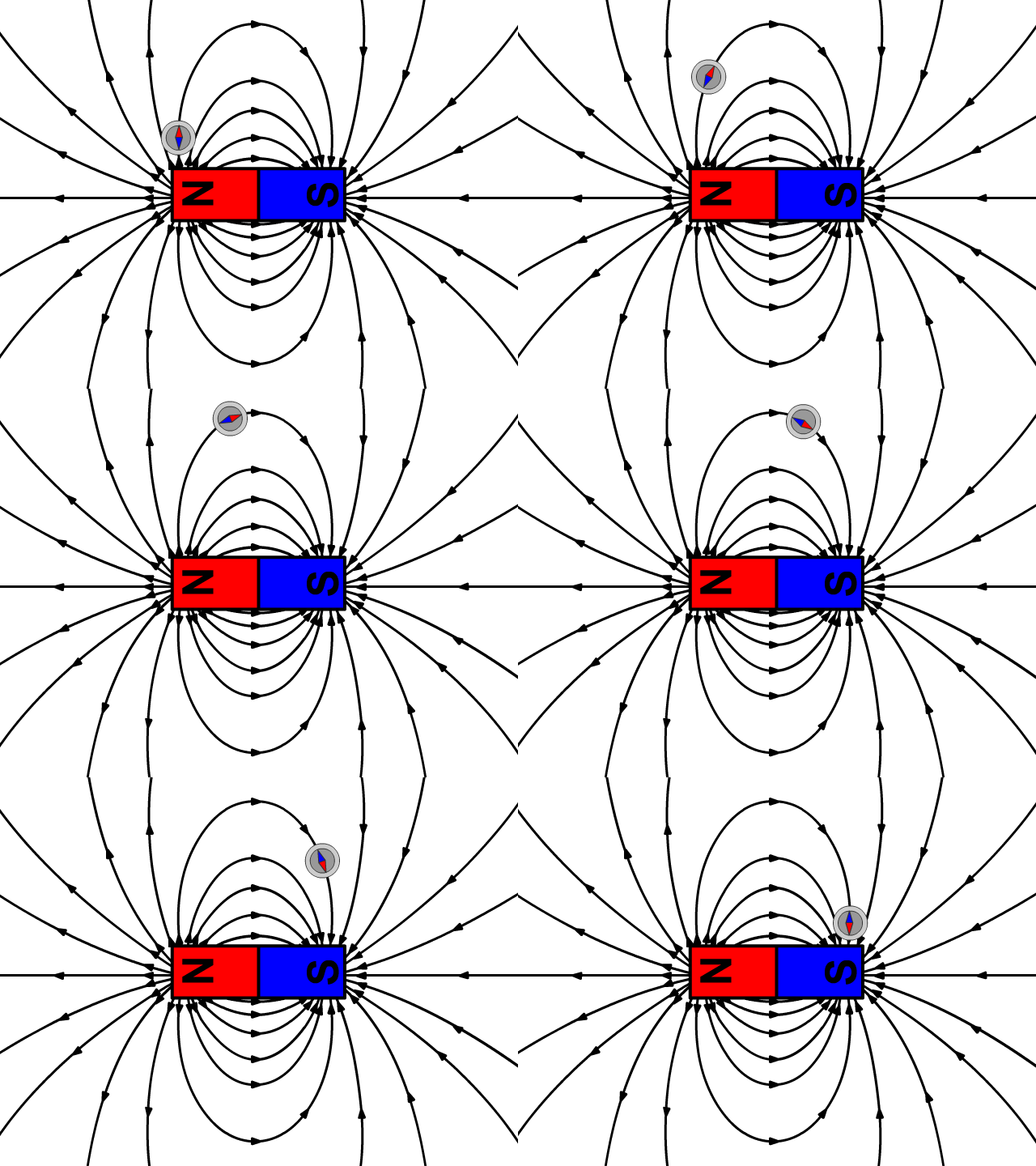
The phenomenon of magnetic attraction is rooted in the fundamental principles of physics. At its core, magnetic forces arise from the movement of charged particles, particularly electrons, within atoms. These movements create magnetic fields, which can influence other charged particles from a distance. Scientists have categorized materials into three main types based on their magnetic properties: ferromagnetic (strongly attracted to magnets), paramagnetic (weakly attracted), and diamagnetic (repelled by magnets). Understanding these classes not only sheds light on the mechanics of magnetic attraction but also has practical applications in various technologies, from electric motors to data storage devices.
Beyond the realms of physics, the science behind magnetic attractions extends into the psychological and biological domains. Studies indicate that people often resonate with others who exhibit similar energy or vibrational frequencies, creating a metaphorical 'magnetism' in interpersonal relationships. This attraction can be attributed to various factors, including shared interests, values, and emotional connections. Just as magnets come together due to opposing poles, individuals may find themselves drawn to others who complement their characteristics, leading to deeper bonds and a sense of belonging. The intricate interplay between physical and emotional magnetic attractions invites further exploration into how these forces shape our experiences.
Counter-Strike is a popular multiplayer first-person shooter game that has captivated players for years. It emphasizes teamwork, strategy, and skill as players join either the terrorist or counter-terrorist side. In addition to gaming, players also seek out the best gadgets to enhance their experience, such as Top 10 wireless chargers for iPhone for convenient device charging during prolonged gaming sessions.
Magnetic Appeal: How Our Psychology Influences Attraction
The concept of attraction extends beyond mere physical appearances; it is deeply entwined with our psychology. Research indicates that our subconscious mind plays a pivotal role in the people we feel drawn to. Factors such as similarity, proximity, and even reciprocal liking can significantly influence our attraction towards others. For instance, when we share common interests or values with someone, the likelihood of developing a strong connection increases. This mutual understanding often creates a magnetic bond, enhancing the chemistry between individuals.
Moreover, the halo effect can dramatically shape our perceptions of attraction. This psychological phenomenon suggests that when we find one aspect of a person appealing, we tend to view them as attractive in other areas as well. For example, if someone is perceived as kind or intelligent, we are more likely to attribute other positive traits to them, fostering an overall sense of allure. Thus, understanding how our psychology governs attraction not only enriches our personal relationships but also helps in navigating social dynamics more effectively.
Is Everything Really Magnetic? Exploring the Concept of Attraction in Everyday Life
When we think of magnetism, we often envision classical magnets that attract metal objects. However, the concept of attraction extends far beyond the physical realm. In our daily lives, we encounter various forms of attraction—be it emotional bonds, social influences, or even the allure of certain products. Is everything really magnetic? This question invites us to explore how different aspects of our lives resonate with this idea of magnetic attraction. For instance, the law of attraction suggests that positive thoughts bring positive experiences, creating an invisible force that influences our outcomes.
While not all forms of attraction can be quantified or measured like magnetic forces, they play a significant role in our interactions and decisions. Consider the power of attraction in marketing: brands often create appealing identities to draw customers in, much like magnets pulling metal. Additionally, personal relationships are often shaped by an invisible chemistry that draws individuals together. This exploration leads us to ask: how much control do we have over the 'magnetism' in our lives? By understanding and harnessing these forces, we can better navigate our personal and professional relationships.