The Future of Power: How Wireless Charging is Changing Our Daily Lives
The future of power is rapidly evolving, and one of the most groundbreaking innovations driving this change is wireless charging. As we move toward a more connected and technologically advanced world, the convenience offered by wireless charging is reshaping our daily lives. No longer bound by the constraints of tangled cords and limited outlets, devices can now draw power seamlessly. From smartphones to electric vehicles, the ability to recharge without plugging in is not just a luxury but is becoming a necessity for convenience-oriented consumers.
Moreover, as wireless charging technology continues to improve, its impact on our routine will become even more significant. In public spaces—think offices, cafes, and airports—integrated charging pads are becoming commonplace. This not only enhances user experience but also promotes a more sustainable approach to energy consumption. By reducing the wear and tear on charging cables, and minimizing energy waste, wireless charging is positioning itself as a key player in the future of power delivery. As this technology becomes more affordable and widely adopted, we can expect a major transformation in how we interact with our devices.
Counter-Strike is a popular first-person shooter game that has captivated players since its release. With its competitive gameplay, strategic team dynamics, and various game modes, it remains a staple in the esports community. For gamers looking to accessorize their devices, check out the Top 10 Thin Silicone Cases for AirPods for stylish and functional protection.
Debunking Myths: Is Wireless Charging Slower Than Traditional Charging?
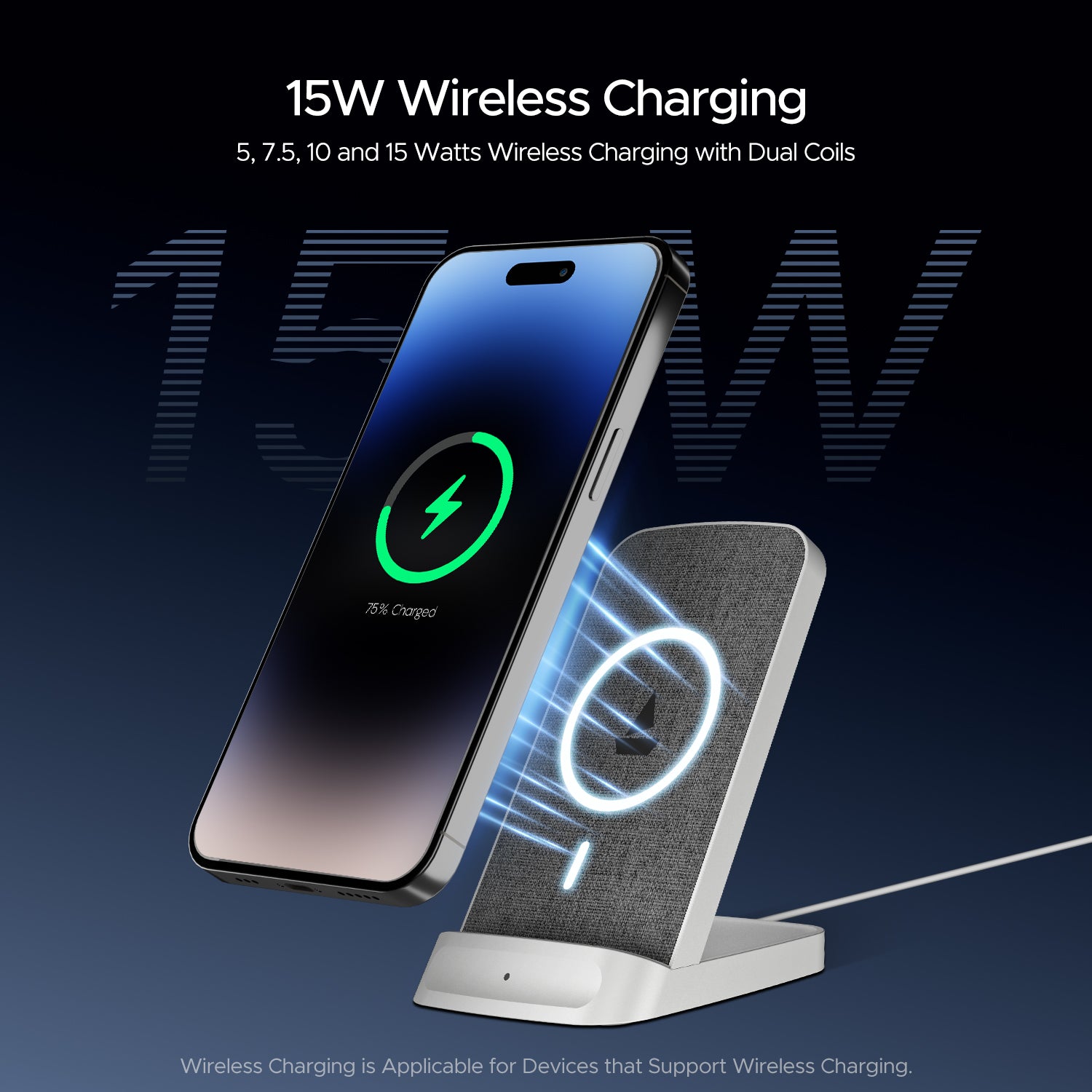
The debate over whether wireless charging is slower than traditional charging has been fueled by various myths and misconceptions. While early versions of wireless chargers did have slower charging speeds due to inefficiencies in energy transfer, recent advancements in technology have significantly bridged this gap. Many modern wireless chargers, especially those that support fast charging standards, can deliver power rates comparable to their wired counterparts. In fact, devices designed for fast wireless charging can reach up to 15W or more, making the differences less noticeable for everyday users.
It’s also essential to consider the practicality of wireless charging. The convenience of simply placing your device on a charging pad without fumbling with cables often outweighs the marginal speed differences. Additionally, charging rates can vary depending on the device, the charger used, and various environmental factors. To fully address the myth, it’s important to recognize that while wireless charging may not always be the fastest option, its ease of use and evolving technology make it a compelling alternative to traditional charging methods.
Top 5 Benefits of Transitioning to Wireless Charging Solutions
Transitioning to wireless charging solutions presents numerous advantages that can enhance the user experience and streamline daily charging routines. First and foremost, eliminating the need for tangled cords can declutter spaces, making it easier for individuals to charge their devices without the hassle of untangling wires. Additionally, these solutions often utilize inductive charging technology, which reduces wear and tear on charging ports, thereby prolonging the lifespan of your devices.
Moreover, the convenience of simply placing a device on a charging pad means that users are less likely to forget to charge their devices, ultimately promoting better battery management. Another significant benefit is the compatibility of wireless charging with multiple devices, including smartphones, smartwatches, and earbuds, which can charge simultaneously on one pad. Finally, many wireless charging solutions integrate fast charging capabilities, allowing users to power up their devices quickly and efficiently.