Uncovering Hidden Files: What’s Taking Up Space on Your Mac?
Are you constantly running out of storage on your Mac? You might be surprised to discover that hidden files could be the culprit. Many users are unaware that their operating system and applications can create temporary files, caches, and logs that accumulate over time, consuming valuable disk space. By uncovering these hidden files, you can reclaim storage, improve your Mac's performance, and ensure that you have enough room for the files that matter most.
To start uncovering these hidden files, consider using built-in tools like Finder or third-party applications designed for disk cleanup. You can search for specific file types or use commands in Terminal to reveal hidden items. Additionally, navigating to ~/Library can expose many caches and application support files that may not be visible by default. Regularly reviewing and cleaning up your files will help maintain your Mac's efficiency and overall health.
Counter-Strike is a popular first-person shooter game that has captivated millions of players around the world. With its strategic gameplay and team-based mechanics, it offers an engaging experience that encourages collaboration and skill. If you're looking to enhance your gaming setup, you might want to consider the Top 10 external ssds for mac for improved load times and performance.
5 Steps to Diagnose Jumbo-Sized Storage Hogs on Your Mac
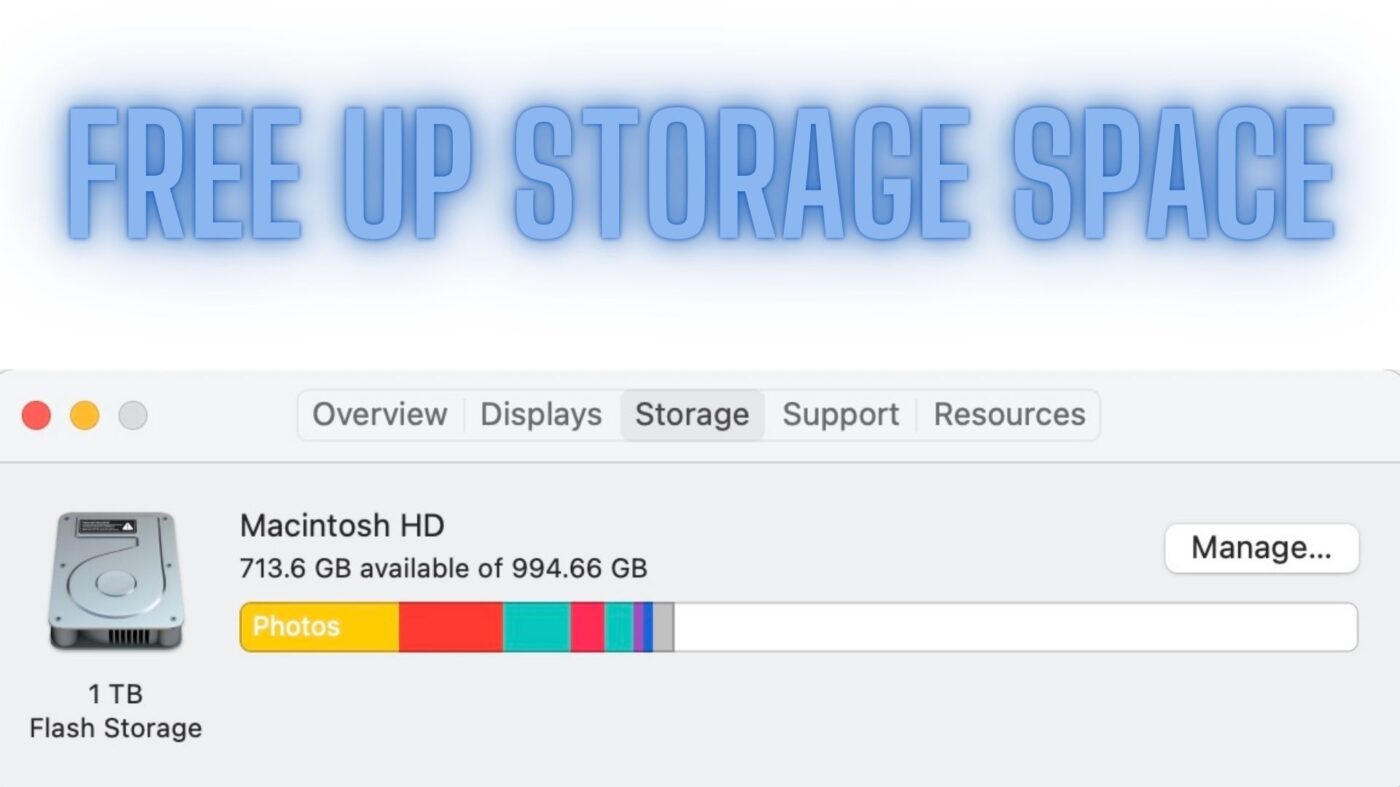
If your Mac is running low on storage space, it’s essential to identify the jumbo-sized storage hogs that may be taking up valuable disk space. In this guide, we'll outline 5 steps to efficiently diagnose these space-consuming files and applications. First, start by navigating to the Apple menu and selecting About This Mac. From there, click on Storage to view a visual representation of what is occupying space on your hard drive. This overview will give you insights into whether applications, documents, photos, or other files are the culprits.
Next, employ the built-in Storage Management tool. To access it, go to the Apple menu, then select About This Mac followed by Storage. Click on Manage to display options like Applications, Documents, and Mail. Focus on the largest files in each category – often, you’ll find duplicate files or unneeded applications that can be uninstalled. Lastly, be sure to check your Downloads folder; this is commonly overlooked and frequently hosts large files that can be archived or deleted.
Is Your Mac's Storage Full? Discover the Mystery Behind Hidden Data
If you've ever received the dreaded 'Storage Full' notification on your Mac, you're not alone. Understanding hidden data is crucial in managing your device's storage. Many users are unaware that a significant portion of their storage can be consumed by system files, caches, duplicate files, and various applications. To identify these data hogs, you can use built-in tools like the Storage Management feature found under the Apple menu. This tool allows you to see categories of storage usage, helping you pinpoint where the excess data is lurking and streamline your Mac's performance.
In addition to system files, a wealth of hidden data can accumulate through temporary files, application leftovers, and even email attachments that you may have forgotten about. To tackle this issue effectively, consider utilizing third-party storage management tools that can reveal and help delete unnecessary files. Many of these programs are designed to search for duplicate files and large documents, giving you a comprehensive overview of what's taking up space. By regularly checking your Mac's storage and clearing out hidden data, you can optimize your device's performance and prevent those annoying storage notifications from disrupting your workflow.